

8.19.2026
Self Esteem & Emotional Resilience: Untangling Emotions From The Scale
When the number starts to mean too much
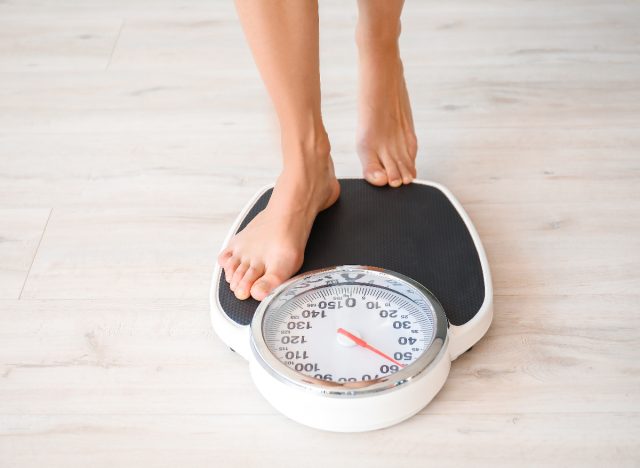
The scale can start to feel like more than just a tool. It can feel like a score card—telling you if you are doing well or not.
When the number goes down, you may feel proud or relieved.
When it goes up, you may feel frustrated or discouraged.
But here’s the important part:
You did not change as a person between those moments. Only the number changed.
Over time, it’s easy to link weight with meaning:
- Lower weight = success
- Higher weight = failure
This feels natural, but it is not accurate.
The goal is not to stop weighing.
The goal is to stop letting the number define you.
Body image is built over many years. It does not automatically change because your weight does. Learning how to see yourself in a new way takes time.
Weight as Information
Weight changes daily due to factors like water, sodium, hormones, and digestion, so it doesn’t always reflect real progress. When the scale defines success, it can feel overwhelming. Instead, view it as one piece of information and ask, “What does this tell me, and how will I respond?” This helps you stay focused without tying your worth to the number.
Separating Self-Worth From Size
Many people believe weight determines their worth, often shaped by past experiences and outside messages. But weight can reflect many things—health, change, or normal fluctuation—so it cannot define your value.
Self-worth is not something earned through weight loss. It is something that must be established independently of it.
Without this separation, progress can feel temporary and fragile, dependent on external outcomes rather than internal stability.
Internal Dialogue and Body Image
One of the most powerful influences on body image is internal language.
Automatic thoughts such as:
- “I should be further along”
- “I’ve failed”
- “I don’t look the way I should”
can reinforce dissatisfaction, even in the presence of real progress.
The goal is not to replace these with unrealistic positivity, but with accurate, balanced thinking.
For example:
- “This is a difficult moment, but it does not define my progress.”
- “I am continuing to work toward my goals.”
This type of self-talk creates space for accountability without introducing shame.
Self Respect as a Foundation of Change
Self-respect and behavior change can coexist.
There is a common concern that self-acceptance will reduce motivation. In practice, the opposite is often true. When individuals approach themselves with respect rather than criticism, they are more likely to engage in consistent, sustainable behaviors.
A useful framework is:
“I respect myself, and because of that, I am working to change this behavior.”
This approach maintains both personal accountability and emotional stability, allowing progress to continue without the setbacks that often accompany shame-driven cycles.
Expand the Definition of Progress
One of the most important shifts in body image work is broadening how success is defined.
Weight is only one indicator of progress. Others include:
- Consistency with meals and hydration
- Increased energy or physical capacity
- Improved lab values or reduced medications
- Greater confidence in daily routines
- Improved ability to manage stress without food
These non-scale indicators often reflect meaningful health improvements long before the scale changes.
Recognizing them regularly helps create a more complete and accurate view of progress.
Manage External Influences
Body image is not formed in isolation. Comments from others—whether intentional or not—can reinforce self-doubt or increase pressure.
Statements such as:
- “Should you be eating that?”
- “You’ve lost so much weight—don’t gain it back”
can shift attention away from internal goals and toward external judgment.
It is appropriate to set boundaries in these situations. For example:
“I appreciate your concern, but focusing on my choices is part of what helps me stay on track.”
This protects your mental focus and supports long-term success.
Re-Engage Through Behavior
Avoidance is a common response to discomfort with body image. This may include avoiding mirrors, photos, certain clothing, or social situations.
While understandable, avoidance tends to reinforce negative perceptions over time.
A more effective approach is gradual re-engagement:
- Wearing clothing that fits your current body
- Participating in activities you may have avoided
- Allowing yourself to be present in photos or social settings
These behaviors help rebuild familiarity and reduce discomfort.
Expand Identity Beyond Weight
Long-term success requires a shift in identity.
Rather than viewing yourself solely through the lens of weight loss, it is important to recognize the broader aspects of who you are:
- Your roles and relationships
- Your interests and values
- Your daily habits and routines
When identity expands beyond weight, body image becomes less central to self-worth and more stable over time.
Looking for extra support? Schedule an appointment with one of our registered dietitians- we're here to help!