9.16.2026
Eating the Rainbow
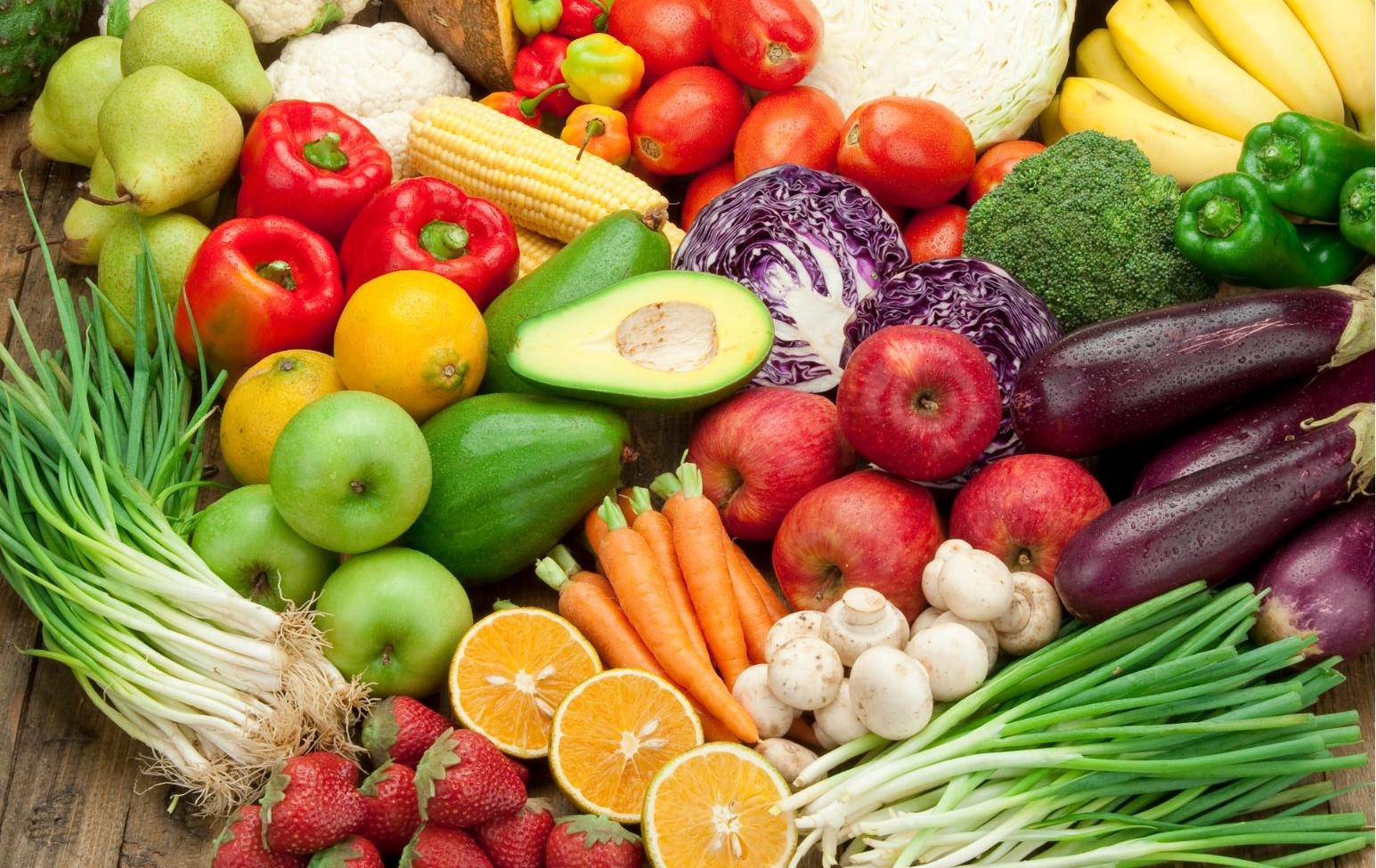
When planning your week’s meals & snacks, try to Incorporate different colored fruits & vegetables. If weekly variety is unrealistic for you, then try to getting a variety throughout the month instead.
Colorful fruits & vegetables create a beautiful representation of health, thanks to phytonutrients – compounds that give plants their colors, flavors, and scents. They also play a key role in preventing and delaying the progression of illnesses, with powerful anti-cancer & heart-protective benefits.

Red
Fights against cell-damaging compounds; protects against prostate cancer, heart disease, and lung disease
Strawberries, cranberries, raspberries, cherries, pomegranates, tomatoes, apples, beets, watermelon, red grapes, red peppers, red onions

Orange and Yellow
Supports cell communication and may help prevent heart disease
Carrots, sweet potatoes, yellow peppers, mango, oranges, bananas, pineapple, tangerines, pumpkin, apricots, winter squash (butternut, acorn), tomatoes, peaches, cantaloupe, corn

Green
Inhibits the action of carcinogens (cancer-causing compounds)
Spinach, avocados, asparagus, apples, artichokes, broccoli, alfalfa sprouts, kale, cabbage, Brussels sprouts, kiwi, collard greens, green tea, green herbs

Blue and Purple
Delay cellular aging and help prevent blood clots
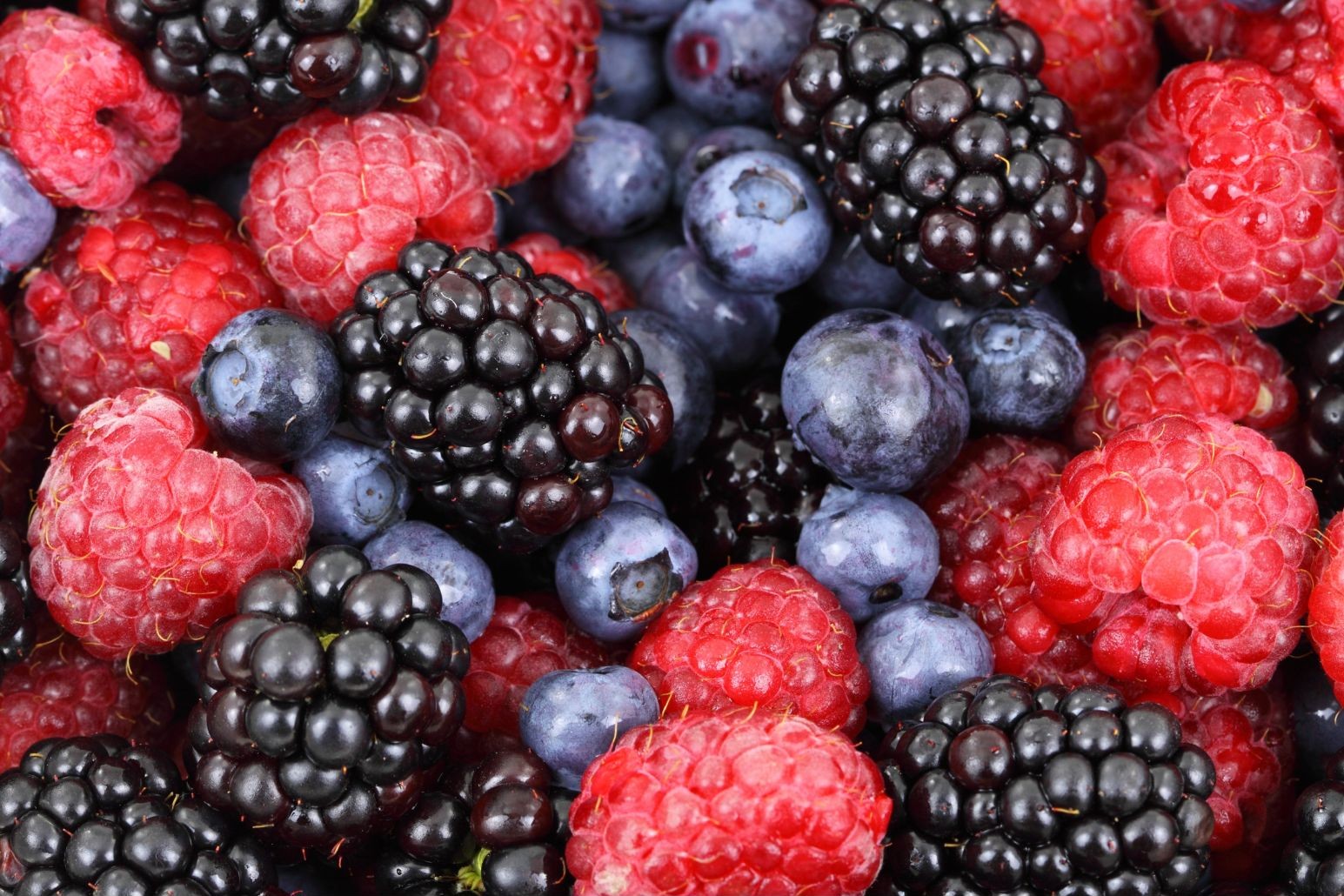
Blueberries, blackberries, elderberries, Concord grapes, raisins, eggplant, plums, figs, prunes, lavender, purple cabbage

White and Brown
Helps reduce cholesterol & blood pressure, supports a healthy gut microbiome, and provides anti-carcinogenic properties
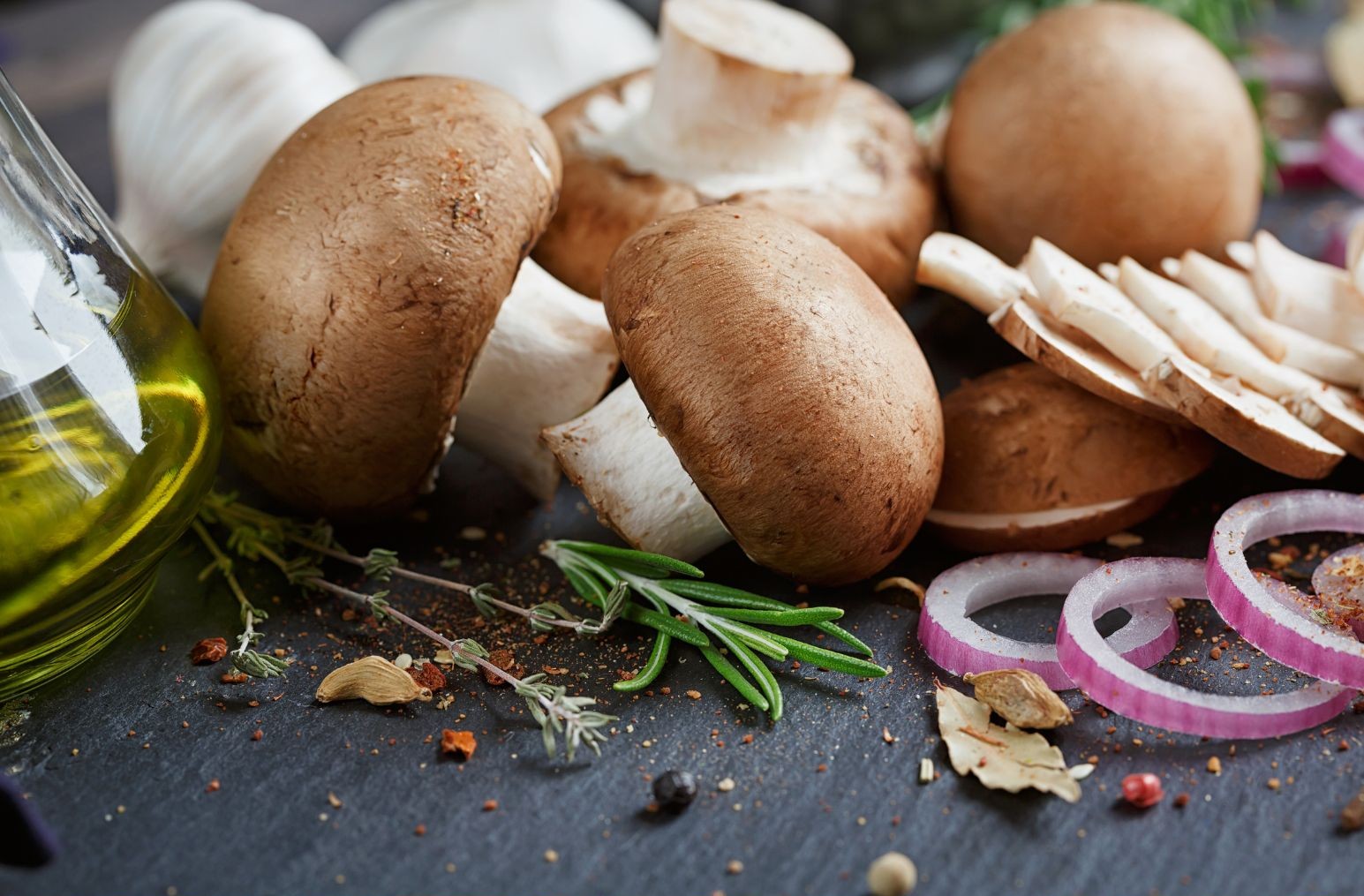
Onions, cauliflower, garlic, leeks, parsnips, daikon radish, mushrooms
What's the Best Way to consume More Fruits and Vegetables?
1. Whole Fruits and Vegetables (Best Choice)
Whole fruits and vegetables provide vitamins, minerals, antioxidants, and fiber that work together to support heart health. Fiber helps keep you full, supports digestive health, and helps manage cholesterol and blood sugar levels. If eating produce is difficult, drinking it can help. Smoothies are a great choice because they contain the whole fruit or vegetable, including the fiber.
Aim for: At least 2 cups of fruit and 2½ cups of vegetables each day.
2. Juice (Good Option)
No-sugar-added juice can also add nutrients from fruits and vegetables. However, because most of the fiber is removed during juicing, juice should not replace all of your fruits and vegetables. If you want to add fiber, you can add items like chia seeds or a powdered fiber supplement to it.
3. Greens Powders and Supplements (Not Traditionally Recommended)
Greens powders may provide vitamins and minerals, but they do not offer the same benefits as consuming fruits and vegetables. They are often highly processed and generally contain little or no fiber. Powders are concentrated supplements, meaning they may contain excessive amounts of vitamins, which can cause adverse health reactions. On the other hand, some nutrients, like the phytonutrients, can be reduced or removed during the heat processing.
So, if your goal is simply to add vitamins and minerals, a standard multivitamin may provide similar benefits at a lower cost.
Creative Ways to ENJOY PRODUCE
- Top with high-fiber cereal, non-fat yogurt, or oatmeal with fresh fruit
- Mix vegetables into scrambled eggs or egg substitutes
- Add extra vegetables (arugula, microgreens) to sandwiches, toast, and wraps
- Keep pre-cut vegetables ready for snacks
- Try a "rainbow challenge" and focus on eating certain colors of fruit/veggies each day
- Monday-Wednesday = red, orange, yellow, white
- Thursday-Sunday= green, blue, purple, white
- Add beans and vegetables to salad kits for a more filling meal
- Ex. store-bought pre-packaged Caesar salad but add more leafy greens like arugula or shaved Brussels sprouts and fiber-rich & protein-rich legumes like chickpeas to it
- Stir frozen vegetables into pasta, rice, or soups or add in healthier alternatives
- Cauliflower rice or zucchini noodles
- Make a fruit salad
- Look for veggie dips/sauces
- Blend vegetables into sauces (cauliflower & zucchini are more versatile)
- Trader Joe’s makes a vegan kale pesto sauce
- Use lettuce or collard greens leaves instead of bread for some sandwiches
- Make fruit & veggie skewers to make it more fun
- Mash fruit to make your own no-cook puree/jam/spread
- Make muffins that Use fruits and/or veggies as one of the main ingredients
Fresh Factor: Secrets to Longer-Lasting Produce -Stretch your produce and dollars by knowing how to store fresh produce to maximize shelf-life.
- Store leafy greens with a paper towel to absorb moisture
- Don’t wash before storing them, only right before eating
- Washing produce before storing it can lead to faster spoilage due to increased moisture and bacterial growth. Wash produce just before you're ready to eat it.
- Store certain produce apart/separately from each other
- Keep avocados, apples, bananas, broccoli, cauliflower, cucumbers, onions, pears, potatoes and watermelon away from other produce, as they can affect how quickly other items ripen and rot
- Use separate drawers, shelves, or containers
- Always refrigerate cut or peeled produce
- Freeze extra fruits and vegetables before they spoil
- Use older produce first ("first in, first out")
- Store cut vegetables in clear containers so they're easy to see and use
- Buy pre-cut produce if it helps reduce waste and increases intake
- Keep fruits visible on the counter as a healthy reminder
- Refrigerate herbs in a glass of water like fresh flowers
- Plan meals around produce you already have at home
Want more tips on adding color and variety to your diet? Schedule a visit with us today!