
5.20.2026
Making Exercise Part of Your Health Journey
Moving Your Body
When we talk about long-term success, nutrition often gets the spotlight. However, physical activity is another pillar that supports health, weight stability, and overall wellbeing long-term.
For many people, exercise can feel intimidating. You might not know where to start, worry about doing too much, or feel like you need to be “in shape” first.
The good news is that exercise does not need to be extreme or complicated to make a meaningful difference. The goal is simply to move your body more consistently.
Why Exercise Matters
Regular movement supports your health journey in many important ways.
Supports Metabolic Health
Regular movement helps improve blood sugar control, insulin sensitivity, and cardiovascular health.
Protects Muscle Mass
During weight loss, the body can lose both fat and muscle. Exercise—especially strength training—helps preserve lean muscle. This is important because muscle supports metabolism and helps maintain long-term weight stability.
Builds Strength and Confidence
As your strength and endurance improve, everyday activities often become easier—climbing stairs, carrying groceries, or playing with children and grandchildren.
Improves Energy and Mood
Many patients report better energy, improved sleep, and reduced stress when they begin moving regularly. Exercise also releases endorphins, which can help improve mood and reduce anxiety.
If You Haven’t Started Yet
You are not behind, and it is never too late to begin.
The most effective exercise plan is simply the one you will continue doing.
Start small and build gradually:
- Walk for 10 minutes after a meal
- Take the stairs when possible
- Stretch or do gentle mobility exercises
- Try beginner strength exercises using body weight or resistance bands
Consistency matters much more than intensity. Even short sessions of movement throughout the day add up and provide meaningful health benefits.
Progress Over Perfection
Your exercise routine does not need to look like anyone else’s.
Walking, swimming, cycling, yoga, strength training, dancing, and group classes can all be great options.
The best activity is simply the one that:
• feels good
• fits into your lifestyle
• keeps you coming back
Small steps taken consistently can lead to powerful long-term results.
Getting Past a Plateau
If your weight loss has slowed or stalled, increasing physical activity may help stimulate progress again.
Exercise can support your body by:
• Increasing daily energy expenditure
• Preserving lean muscle mass
• Supporting metabolism
• Improving insulin sensitivity
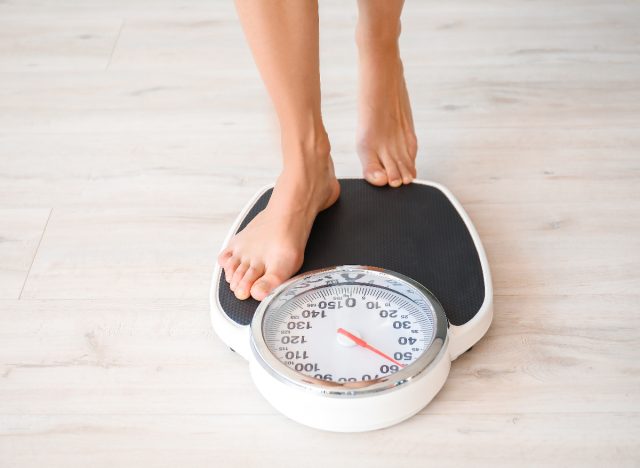
Even when the scale does not change, exercise is still providing powerful benefits for your heart, muscles, metabolism, and mental health.
“I Know I Should Exercise, But…”
Turning Intention Into Action
“I know I should exercise, but…”
- But I’m tired.
- But I don’t have time.
- But I’m not in shape yet.
- But I’ll start later.
If this sounds familiar, you are not alone.
Psychologist Diana Hill, author of I Know I Should Exercise, But…, explains that the biggest barrier to exercise is often not knowledge—it’s the thoughts and feelings that show up when we try to start.
Our minds naturally try to avoid discomfort. When exercise feels inconvenient or intimidating, the brain produces the “but.”
The key insight is this:
You do not have to eliminate these thoughts in order to move forward.
You simply notice them—and take action anyway.
Needing a little extra support? Consider working with one of our Registered Dietitians for personalized nutrition guidance, activity goals, and practical strategies tailored to your lifestyle and needs. We’re here to help you build healthy habits that work for you!